202 Boiler FD Fan 31-Kt-212
Field Operations
Empower every operator in the field
Digital procedures and checklists your crews can run on any device. Online or offline.
Procedures
Search procedures
All proceduresSaved
525 proceduresTitle ↓
202 Boiler FD Fan 31-KT-212
Lube oil system shutdown
202 Boiler FD Fan
Lube oil system startup
Inspections
Verify conditions in real time
Operators capture photos and videos of equipment conditions. Our AI analyzes the content to verify compliance, detect anomalies, and flag issues before they escalate.
- AI image analysis for equipment condition verification
- Automatic anomaly detection for missing or incorrect components
- Photo evidence linked directly to procedure steps
- Instant inspection verification with detailed reasoning
Approved · Rev 04Available offline
Air receiver inspection
V-204 · Upper deck
Review requiredStep 3 of 3
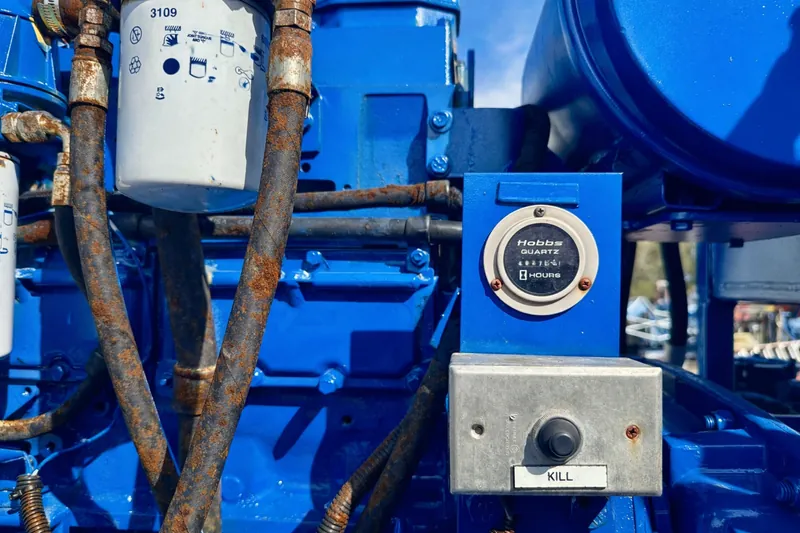 Photo 01 · V-204
03
Review inspection findings
Surface corrosion flagged on pipework. Supervisor review required.
Evidence attachedPhoto linked to equipment record
Saved on device · Ready to submit
Photo 01 V-204 · Upper deckInterface AI analysisReview required
Surface corrosion flagged
Corrosion is visible on the highlighted pipework. A supervisor must confirm the finding and assign follow-up work before the inspection can close.
- Equipment
- Air Receiver V-204
- Next step
- Supervisor review
The reality today
Why the field and office fall out of sync
In our work with operations teams, we see disconnected tools and manual handoffs leaving crews and the office working from different information. These are the three gaps we encounter most often.
Limited Field Visibility
Work orders, asset data, and crew activity sit in separate tools, making it hard to see what needs attention and coordinate the next move.
Delayed Updates
Corporate procedure changes take weeks to reach the field, creating gaps between what is approved and what is executed.
No Feedback Loop
Deviations, observations, and equipment issues go unreported or are lost in paperwork with no path back to corporate.
Instant digitalization
Turn operational knowledge into field ready workflows
Create procedures from video, audio transcripts, existing documents, or current systems. Interface structures each source, adds the right safeguards, and deploys a governed workflow to the field.
Choose a source. See the structure. Try the field steps.
1Choose a source2Structure the work3Field preview
Start with what you have
 Procedure studio
Example source · Video
Field walkthrough

“Look over the flange for leaks, check the hydraulic lines, and record anything that needs attention.”
Turn this source into clear steps, an assigned role, and a review checkpoint.
Video selected. Ready to structure.
Human Performance Enhancements
Human Performance
Standards Check · HPOG
Clear instructions. Safeguards in the right place. Verification where it matters.
5 checks completed1 source instruction enhanced
Step ClarityAll steps use explicit action verbs+
Ambiguous instructions are the leading cause of field execution errors. Clear verbs reduce misinterpretation by 60%.
Danger IdentificationWarnings precede hazardous steps+
OSHA requires hazard warnings before the associated step. Incorrect placement has been cited in 23% of incident reports.
Level of DetailSource instruction clarified with equipment-specific limits+
Example: Interface turns “Verify pressure is normal” in the source procedure into “Verify pressure gauge reads 150 to 200 PSI,” using equipment spec sheet EM 4218 R3. The proposed revision is reviewed before release to the field.
Checkoff FormatSign off boxes at critical hold points+
Hold points ensure independent verification before proceeding to irreversible operations.
Dual VerificationIndependent verification steps present+
Two person verification at safety critical steps reduces human error rates by an order of magnitude.
Industry Results
Better equipped teams.
Measurable gains.
53%Higher labor productivity
42%Fewer breakdowns from basic equipment conditions
11%Reduction in maintenance backlog
Safe Work Permit and SIMOPS
Identify and Manage Simultaneous Operations in Real Time
See active Safe Work Permits, crews, assets, hazards, and isolations (LOTO) in one place. Coordinate simultaneous operations before work overlaps, then keep required reviews, field confirmations, and closeout evidence connected.
- SIMOPS visibility across active work certificates, crews, work areas and site activities.
- Permit requests, approvals, suspensions, and closeout in one flow
- Role based sign off with a complete timestamped trail
- Controls governed by current company and regulatory requirements
- Step by step guidance through approved procedures, with offline access and progress synced to supervisors
SIMOPS coordination
Review simultaneous work before authorization
See concurrent permits, shared work areas, and connected controls together before work begins.
Concurrent work reviewPermit workspace
Hot workShared area
Confined spaceIsolation linked
Lock out tag outControl verified
Review shared hazards and controls before permits move to authorization.
Field to corporate
Close the loop between field and corporate
Every field observation, deviation, and comment is captured digitally and fed back to corporate systems in real time, creating a continuous improvement cycle.
Supervisor dashboard
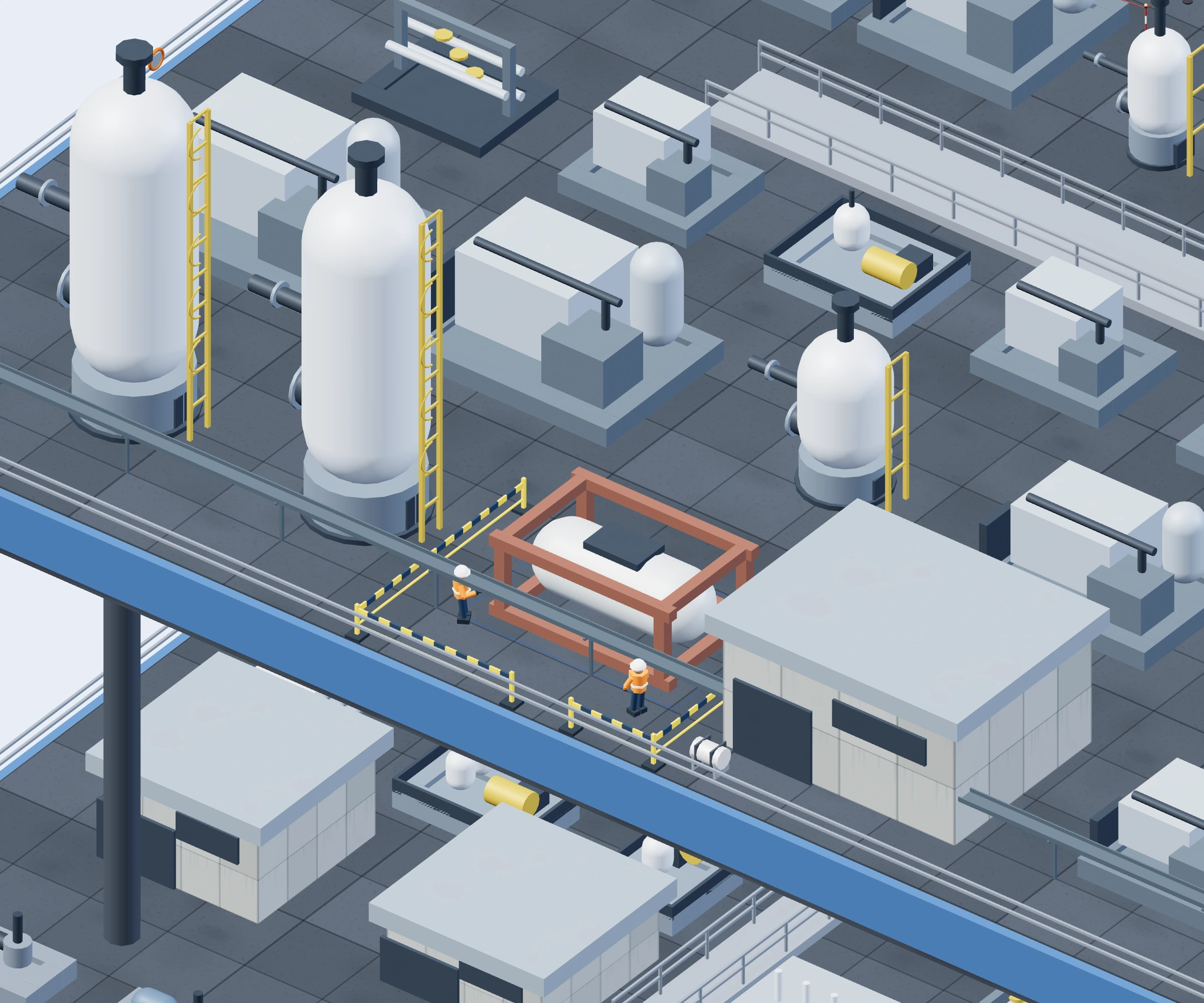
Digital twinKelmara
KEL-TK-090Storage tankLinked to PTW-2026-KEL10
In progressPTW-2026-KEL10
Tank integrity inspection
Storage tank · KEL-TK-090
Assigned to Interface
Check the tank for visible leaks, corrosion, and support damage. Capture evidence and raise follow-up maintenance to address issues before they disrupt operations.
- Review approved work orderComplete
- Confirm tank tag and locationComplete
- Check for leaks, corrosion, and support damageComplete
- Record findings and photosIn progress
- Submit for supervisor reviewPending
Procedure tied to selected equipment
Field executionEquipment recordCorporate visibilityPTW-2026-KEL10 · KEL-TK-090
Case study
Digitizing 10,000+ Procedures for a Major Refinery Operator
A leading North American refinery operator partnered with Interface to replace paper based SOPs across 14 operating units. Within weeks, field operators had step by step digital procedures on their devices, with offline access, real time deviation reporting, and AI powered verification at every critical step.

10,000+Procedures digitized
35%Increase in wrench time
15%Decrease in non productive time
45%Reduction in deviations
14Operating units
10 weeksTo full deployment